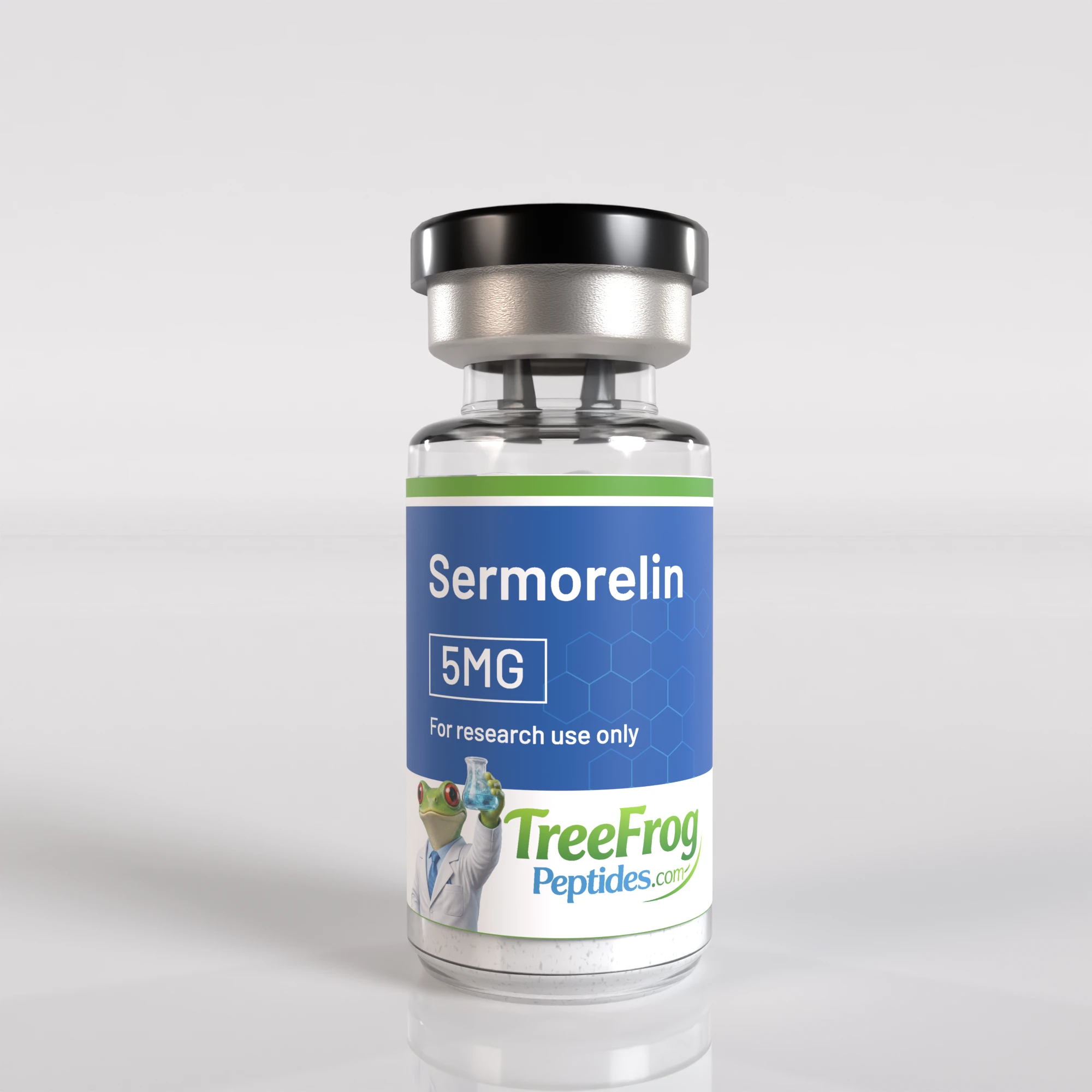
Sermorelin
Sermorelin is a peptide derived from the original growth hormone-releasing hormone (GHRH). It is a decapeptide, consisting of the first ten amino acids of natural GHRH. In the research setting, it is used to investigate its potential effects on growth hormone (GH) secretion, cellular regeneration, and aging-related physiological processes.
Sermorelin has been extensively studied in the context of animal models, including rodent and primate research, where its role in promoting tissue regeneration, enhancing muscle and bone growth, and modulating metabolic processes has been explored. Its mechanism of action primarily involves stimulating the pituitary gland to release growth hormone (GH), which subsequently activates insulin-like growth factor 1 (IGF-1) production in peripheral tissues.
Research Overview
Research involving sermorelin has primarily focused on understanding its physiological effects in controlled experimental settings. Early studies demonstrated that sermorelin could effectively mimic the effects of natural GHRH, leading to increased GH secretion. Subsequent research expanded to examine its implications for tissue repair, anti-aging mechanisms, and the potential therapeutic benefits in disease models.
Key Research Focus Areas
- Growth Hormone Secretion and IGF-1 Activation: Investigation of sermorelin’s role in modulating pituitary GH release and its downstream effects on IGF-1 synthesis, particularly in aging and growth-deficient conditions.
- Muscle and Bone Regeneration: Exploration of sermorelin’s effects on muscle growth, bone density, and repair mechanisms in animal models, often used to study its regenerative potential.
- Metabolic and Cardiovascular Health: Evaluation of its impact on metabolic syndrome, obesity-related conditions, and cardiovascular function in experimental settings.
- Neuroprotection and Cognitive Function: Preliminary studies examining potential neuroprotective effects, including its influence on brain health and cognitive aging in rodent research.
- Anti-Aging Research: Examination of sermorelin’s potential anti-aging properties, such as improvements in tissue regeneration, cellular turnover, and longevity-related pathways.
This peptide is strictly intended for use in approved research laboratories and academic institutions. Researchers must adhere to all ethical guidelines, regulatory requirements, and institutional protocols pertaining to peptide studies.
For research use only. Not for human or animal consumption.
| Size | 10MG, 5MG |
|---|

Reviews
There are no reviews yet.