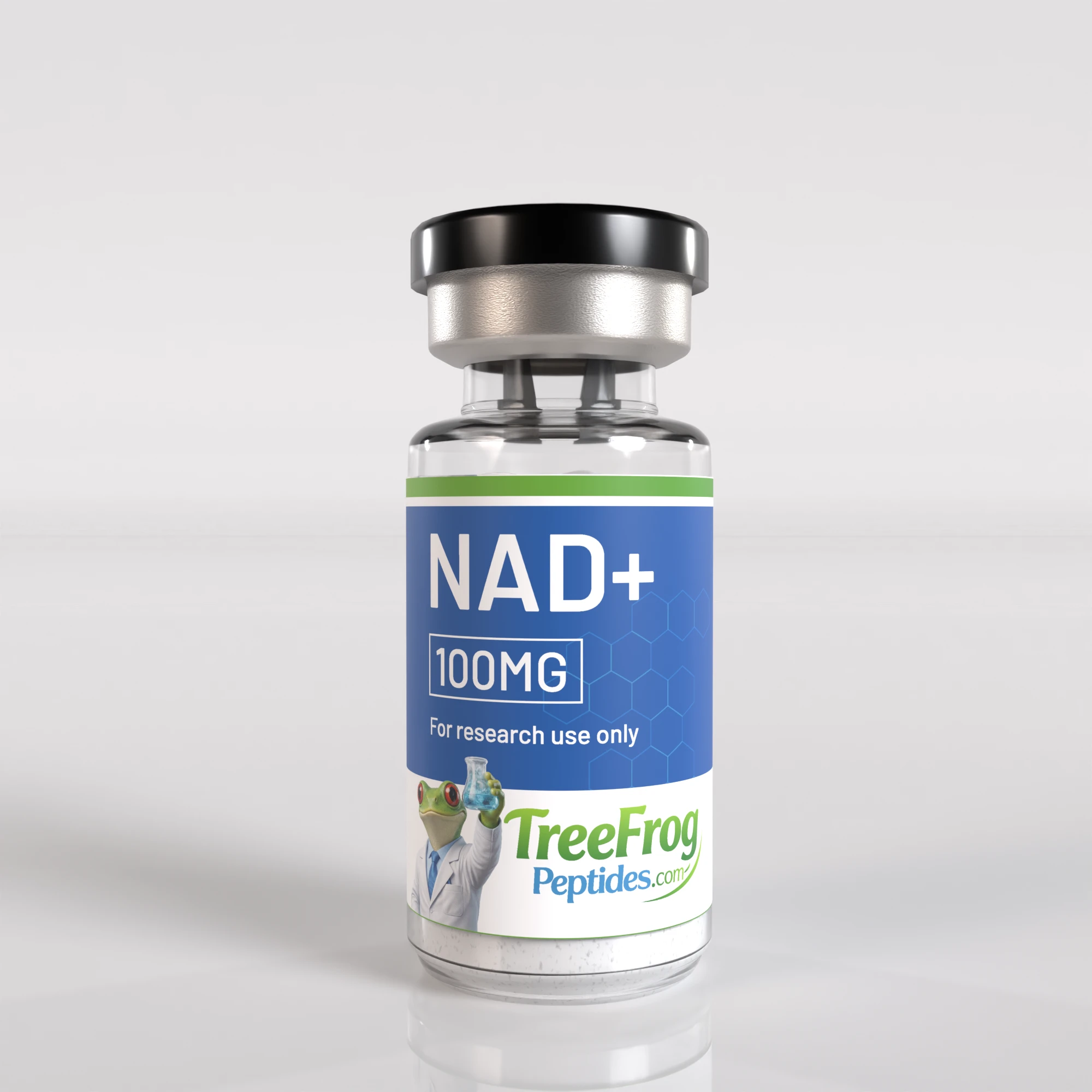
NAD+
NAD+ (nicotinamide adenine dinucleotide) is a crucial coenzyme found in all living cells, playing a vital role in numerous biochemical processes. As a key component in cellular energy metabolism and redox homeostasis, NAD+ is involved in energy production, DNA repair, and cellular signaling pathways. In recent research, NAD+ has garnered significant attention for its potential implications in aging, metabolic health, and disease prevention, particularly through its association with sirtuin activation and other age-related biochemical pathways.
Research Context
NAD+ serves as a coenzyme in redox reactions, acting as an electron carrier in metabolic pathways, including glycolysis, the tricarboxylic acid (TCA) cycle, and oxidative phosphorylation. Its levels decline with age, contributing to reduced cellular function and increased susceptibility to age-related diseases. Synthetic NAD+ precursors, such as nicotinamide riboside (NR) and nicotinamide mononucleotide (NMN), have been studied for their potential to replenish NAD+ levels in vitro and in preclinical models.
Research Overview
NAD+ research primarily focuses on its role as a substrate for NAD+-dependent enzymes, including sirtuins (SIRT1–SIRT7), poly(ADP-ribose) polymerases (PARPs), and CD38. These enzymes regulate critical cellular functions, including chromatin remodeling, stress responses, and DNA repair. Preclinical studies have investigated NAD+ supplementation for its potential benefits in aging, metabolic syndrome, neurodegenerative diseases, and cardiovascular health. However, clinical translation remains ongoing, with ongoing research assessing safety and efficacy in humans.
Key Research Focus Areas
- Sirtuin Activation: NAD+ supports SIRT1, which modulates lifespan extension and metabolic regulation in model organisms.
- DNA Repair Mechanisms: PARP enzymes utilize NAD+ to repair damaged DNA, influencing genomic stability and cancer risk.
- Metabolic Health: NAD+ levels are linked to mitochondrial function, insulin sensitivity, and glucose metabolism.
- Neurodegeneration: Research explores NAD+ supplementation as a potential therapeutic for Alzheimer’s disease and Parkinson’s disease.
- Antioxidant and Stress Resistance: NAD+ is involved in reactive oxygen species (ROS) detoxification pathways.
This product is provided for academic and research institutions only and is not intended for therapeutic, diagnostic, or cosmetic applications. It is critical that researchers adhere to established protocols, ethical guidelines, and local regulatory requirements when utilizing NAD+-related compounds.
For research use only. Not for human or animal consumption.
| Size | 100MG, 500MG, 1000MG |
|---|
Reviews
There are no reviews yet.