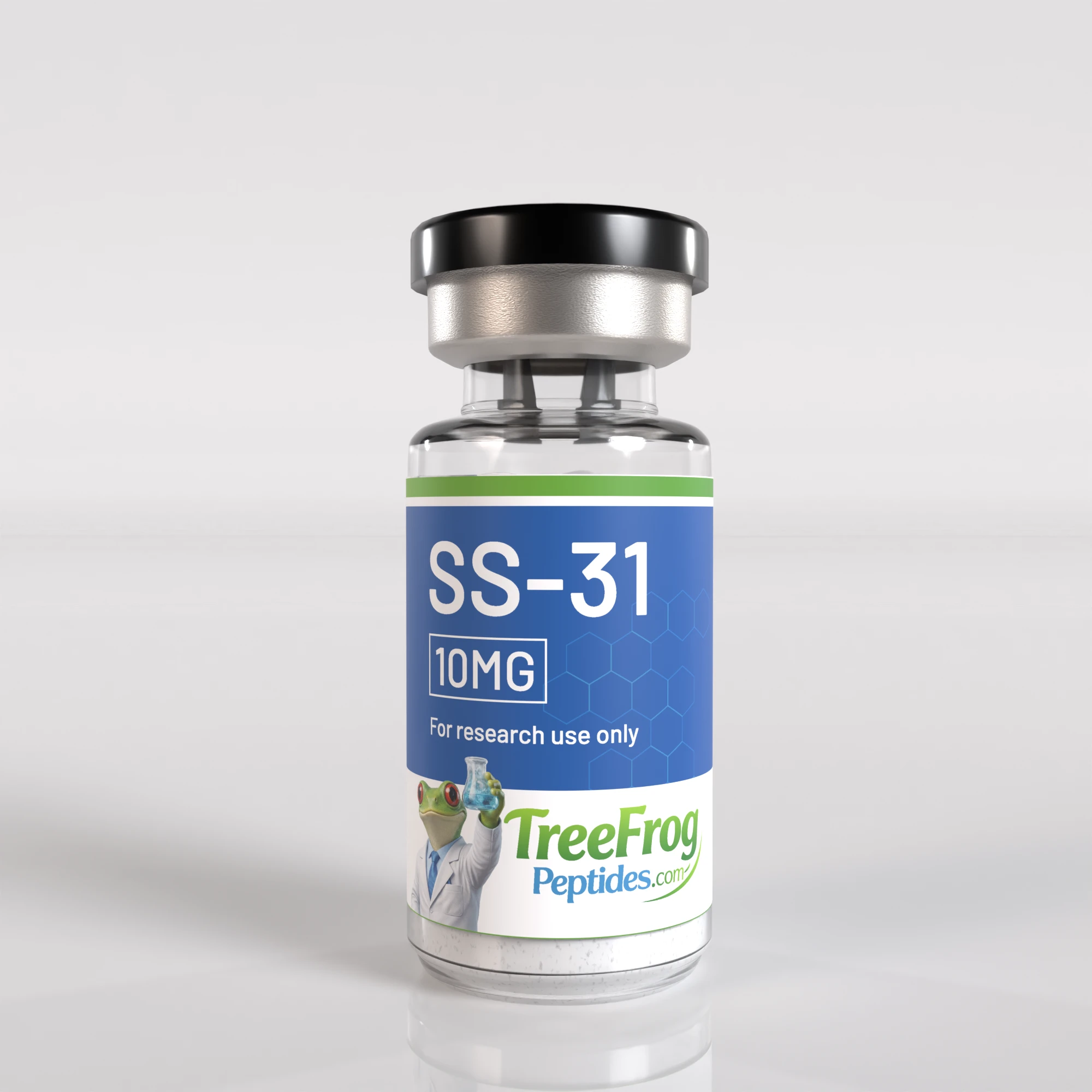
SS-31
SS-31 is a synthetic peptide derived from the protein survivin, a member of the inhibitor of apoptosis protein family. Originally identified for its protective effects against oxidative stress, SS-31 has gained prominence within scientific research for its potential application in studying cellular resilience, cardiovascular health, and aging mechanisms. This peptide is a highly specialized tool for biochemical and physiological investigations.
Research Context
SS-31 was first isolated from the collagen matrix of bovine heart tissue and has since been extensively studied for its roles in mitochondrial protection, cardiovascular function, and anti-inflammatory responses. Its unique structure allows it to interact with cellular membranes, conferring a broad range of protective effects. Researchers utilize SS-31 in studies investigating cellular aging, stress responses, and mitochondrial integrity, particularly in contexts where oxidative damage is a key factor.
Research Overview
SS-31 has been investigated in numerous preclinical studies, often employed as a model compound to explore the mechanisms of action under controlled experimental conditions. Its efficacy in mitigating damage from reactive oxygen species (ROS) has been particularly well-documented, making it a valuable research tool in fields such as toxicology, cardioprotection, and neurodegenerative research. While its primary applications remain within the laboratory setting, ongoing research continues to refine its potential applications in basic science and biomedical research.
Key Research Focus Areas
- Mitochondrial Protection: SS-31 has been shown to enhance mitochondrial function by reducing oxidative stress, improving energy metabolism, and preventing mitochondrial depolarization.
- Cardiovascular Research: Investigations into its role in protecting against myocardial infarction, ischemic injuries, and the effects of hypertension and diabetes.
- Cellular Aging and Senescence: Examination of its impact on lifespan extension, telomere maintenance, and age-related decline in tissue function.
- Neuroprotection and Neurodegeneration: Studies exploring its potential to mitigate damage in conditions such as Parkinson’s disease, Alzheimer’s disease, and spinal cord injury models.
- Anti-Inflammatory Mechanisms: Evaluation of its effects on inflammatory pathways, including NF-κB signaling and the modulation of cytokine release.
Important Safety and Compliance Note
SS-31 is intended exclusively for use in research and academic institutions. Due to its potential for biological activity, proper handling procedures must be followed, including laboratory safety protocols, containment measures, and documentation of experimental protocols. Researchers should consult institutional biosafety guidelines and relevant regulatory agencies for additional oversight. This product is not intended for therapeutic, diagnostic, cosmetic, or consumer applications.
For research use only. Not for human or animal consumption.
| Size | 10MG, 50MG |
|---|

Reviews
There are no reviews yet.